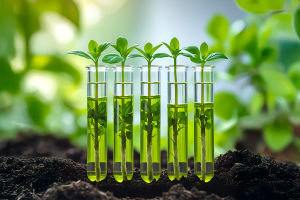
Imagine standing in a garden twenty years from now. The tomatoes are bright, but they don't bruise when you pick them. The lettuce stays crisp on the counter for weeks.
Even the flowers bloom longer. They glow with colors that once seemed impossible. None of this happened by accident. It's the quiet work of genome editing—tiny adjustments inside plants that ripple outward into the way we eat, farm, and even understand nature itself.
What Genome Editing Really Means
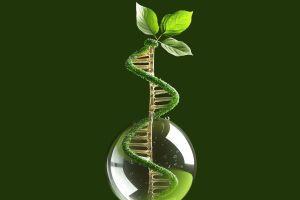
Genome editing is often confused with older methods like traditional genetic modification. The difference is precision. Instead of randomly adding foreign genes, scientists now use tools like CRISPR to “snip and adjust” DNA at specific spots. Think of it as using a word processor on life's instruction manual: you're deleting a typo, changing a letter, or rearranging a phrase, rather than rewriting the whole page.
This precision opens up possibilities that were impossible before. Plants can be tailored to resist diseases, handle drought, or grow with fewer fertilizers. That means healthier crops, less pressure on the environment, and more reliable food for a growing world.
Three Big Shifts in Plant Evolution
1. Resilience under stress
Drought, heat waves, and shifting seasons are some of the biggest threats to agriculture. With genome editing, scientists can tweak the genes that control how plants handle stress. For example, by editing the way roots grow deeper into soil, crops may access water reserves that were previously out of reach. This doesn't just save plants; it also saves farmers from devastating losses.
2. Nutrition and flavor
Imagine a banana that packs twice the nutrients or spinach that delivers more iron without the bitter taste. Editing the genome allows us to enhance what plants already offer rather than forcing us to rely on supplements. For people who struggle to access diverse diets, these improvements could be life-changing.
3. Sustainability at scale
Fertilizers and pesticides come with environmental costs. By strengthening plants' natural defenses through genome editing, we could reduce the need for chemical inputs. A field of wheat that fends off fungus on its own is not just cheaper to grow—it's friendlier to the soil, water, and wildlife around it.
The Questions We Can't Avoid
With power comes responsibility, and genome editing raises tough questions. Who gets to decide what's worth changing in a plant? If we edit crops for convenience—say, apples that don't brown—do we risk ignoring deeper ecological concerns?
There's also the matter of evolution itself. For millions of years, plants adapted slowly through natural selection. Genome editing accelerates this process, compressing centuries of change into a few years. Some experts see this as human progress; others worry we're rushing ahead without understanding the long-term consequences.
Everyday Impact You Might Notice
The first signs of genome editing in your daily life may not feel radical. It might be a strawberry that tastes sweeter in winter, or bread that stays fresh longer on the counter. Farmers might notice bigger changes: fewer crop failures, less wasted irrigation, and fields that remain fertile year after year.
But the ripple effects go beyond farming. Longer-lasting produce means less food waste at home. Crops that grow in harsher climates could expand agriculture into regions once thought barren. And the health benefits—improved vitamins, minerals, and plant compounds—could slowly shift how we think about nutrition.
Why This Matters for the Future
The real story isn't just about better tomatoes or tougher corn. It's about redefining the relationship between humans and plants. Genome editing gives us the tools to participate directly in the evolutionary story of life. We're no longer just cultivating and selecting; we're shaping plants at their genetic core.
That doesn't mean we should move forward without caution. Evolution is not a script we can completely control. Surprises—good and bad—are inevitable. The question is whether we'll use this technology to work with nature or bend it too far to our own will.
A Thought to Carry With You
Next time you bite into a piece of fruit, think about the centuries of careful breeding that brought it to your plate. Now imagine what the next century could hold when the process speeds up beyond anything our ancestors dreamed of. Will we design plants that serve us better, or will we learn to listen more closely to the plants themselves, finding balance between innovation and respect for the natural world?