Have you ever seen a bird that looks like it's been painted with every color in the rainbow? That's exactly how Fischer's lovebird catches your eye.
Their bold, beautiful plumage and charming personalities make them a favorite among bird lovers. But there's more to these little guys than their striking appearance.
Where They Come From
Fischer's lovebirds are native to East Africa, specifically Tanzania and parts of Kenya. Despite their exotic roots, they've become one of the most popular pet birds worldwide. Their native habitats are typically tropical and semi-arid regions, where they thrive in forests and grasslands.
Natural Habitat:
Tropical savannas and forests.
Favorably found near water sources like lakes and rivers.
Adaptability:
Fischer's lovebirds are known for their resilience and adaptability to various environments.
Distinctive Features
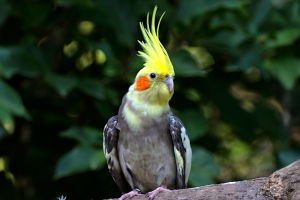
One glance at a Fischer's lovebird, and you'll notice its vibrant green feathers, contrasting bright orange head, and distinct yellow underparts. These little birds stand out with their short, stocky bodies and playful demeanor. Their small size—measuring only around 5 to 6 inches—makes them perfect for those looking for a compact pet bird that's full of character.
Color Palette:
Green body with a bright orange face and neck.
Some variations show subtle hints of blue on their wings or tail.
Physical Characteristics:
Short, stout bodies with a strong beak.
Males and females look similar, but males tend to have more vivid coloring.
Personality and Behavior
Fischer's lovebirds are known for their social, curious, and affectionate personalities. They thrive on interaction and can form strong bonds with their human caretakers. However, their high energy levels mean they require a lot of attention to stay happy.
Social Creatures:
Lovebirds are extremely social and are happiest when they have companions—either fellow lovebirds or their human owners.
They engage in playful behaviors like chasing, hopping, and calling out to each other.
Interactive Play:
These birds love toys and puzzles, making them ideal pets for those who have the time and energy to engage with them.
They enjoy chewing and climbing, so providing a variety of enrichment activities is key.
Feeding and Care
A healthy diet is crucial for keeping Fischer's lovebirds happy and vibrant. In the wild, they feed on a variety of seeds, fruits, and vegetables. As pets, they require a balanced diet to ensure they remain healthy and avoid nutritional deficiencies.
Dietary Needs:
High-quality pellet food designed for lovebirds, supplemented with fresh fruits and vegetables like apples, berries, and leafy greens.
Occasional treats like sunflower seeds or millet sprays are a good option, but should be offered in moderation.
Proper Housing:
Lovebirds need a spacious cage to fly around, with horizontal bars for climbing.
They should have access to perches, toys, and safe items to chew on.
Breeding and Reproduction
Fischer's lovebirds are known for being monogamous, meaning they typically mate for life. They breed in pairs, and during mating season, you'll notice their affectionate behavior increases. Their nesting habits are typically simple, with the female laying 3-6 eggs.
Breeding Environment:
A quiet, secure space is ideal for breeding.
A nesting box and soft bedding can encourage successful breeding.
Raising Chicks:
Both parents care for the young, feeding and protecting them until they are ready to leave the nest.
Conservation Status and Challenges
While Fischer's lovebirds are not currently endangered, they face threats from habitat loss and the illegal pet trade. Conservation efforts in their native regions are ongoing, with a focus on preserving their natural habitats and regulating trade.
Threats:
Habitat destruction due to agriculture and urbanization.
Illegal capture and trade of wild birds.
Conservation Efforts:
Habitat restoration and wildlife protection programs.
Monitoring and regulating the pet trade to ensure sustainable populations.
Whether you're drawn to Fischer's lovebird for their beauty, their playful nature, or their affectionate bonds, they make for a truly delightful companion. However, it's important to remember that, like any pet, they require commitment and care to ensure their happiness. By understanding their needs and providing them with a loving home, you'll be rewarded with a feathered friend for life.