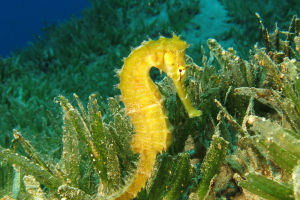
Have you ever noticed how some animals seem to disappear into their surroundings without a trace? Seahorses are perfect examples of nature's masterful camouflagers.
These fascinating creatures have evolved incredible ways to blend seamlessly with their environment, making them nearly invisible to predators.
In this article, we'll explore how seahorses use camouflage as their primary defense mechanism, helping them survive in the wild.
How Seahorses Blend In
Seahorses are the ultimate masters of disguise. Their ability to match the colors and textures of their surroundings allows them to avoid being noticed by predators. Unlike many other creatures that rely on speed or strength for survival, seahorses rely on their ability to hide in plain sight.
Color Matching: Seahorses can change their color to match their surroundings. This adaptive camouflage is controlled by specialized cells in their skin called chromatophores. These cells can expand or contract to adjust the color of the seahorse's body, allowing it to blend in with the coral, seaweed, or sandy sea floor around them.
Textural Camouflage: In addition to changing color, seahorses can adjust the texture of their skin. Some species develop spiny protrusions or rough patches that resemble the coral or algae they live around. This texture-based camouflage provides an extra layer of protection, making it even harder for predators to spot them.
Mimicking Surroundings: Seahorses are known to mimic the plants and coral they live near, blending in so effectively that they are often mistaken for part of the environment. Their ability to adjust both color and texture makes them nearly invisible to the untrained eye.
The Role of Movement in Camouflage
While camouflage in color and texture is crucial, seahorses also rely on subtle movements to enhance their ability to blend in. They don't have the fast swimming capabilities that other fish might have, so they employ slower, more deliberate movements to avoid drawing attention.
Slow Swimming: Seahorses swim by using small fins on their backs, creating a slow, hovering movement. This is ideal for staying hidden in the sea grass or coral, where quick movements would give away their position.
Stationary Positioning: Instead of constantly moving, seahorses often stay in one spot for long periods. They use their prehensile tails to anchor themselves to seaweed or coral, allowing them to remain still and less noticeable.
Minimal Disturbance: The way seahorses move is deliberate and calculated. They don't create much water disturbance, which helps them avoid attracting the attention of larger predators that might be searching for moving targets.
Camouflage as a Survival Strategy
Camouflage plays a critical role in the seahorse's survival, especially in the face of predators. Predation is one of the biggest threats to these small creatures, and blending in with their environment is their primary defense strategy.
Avoiding Predators: By blending in so well, seahorses make it much harder for predators like fish, birds, and larger marine animals to spot them. A sudden movement might alert a predator to their presence, but the longer they remain still and hidden, the safer they are.
Protecting Young Seahorses: Baby seahorses, or fry, are even more vulnerable to predators than adults. They rely on their parents' camouflage techniques as they mature. When they are born, seahorse fry are tiny and often take refuge in plants or coral, using their camouflaging skills to stay hidden from predators.
Energy Conservation: By staying still and hidden, seahorses avoid wasting energy on escape maneuvers. Instead of fleeing, they rely on their camouflage to remain undetected, a strategy that helps conserve their limited energy reserves in the wild.
Seahorse Camouflage and Ecosystem Balance
Seahorse camouflage not only benefits the creatures themselves but also plays a key role in maintaining the balance of marine ecosystems. These small fish contribute to the health of their environment in subtle but important ways.
Protecting Marine Vegetation: Seahorses often make their homes in seagrass beds or coral reefs. By remaining hidden, they help preserve the vegetation around them. Without the need to constantly move or disturb the ecosystem, they help maintain the integrity of these delicate habitats.
Reducing Impact on Food Chains: Seahorses are part of the food chain, but by avoiding detection, they reduce their impact on other species. While they may serve as prey for larger fish or birds, their camouflage allows them to stay hidden and avoid becoming easy targets.
Biodiversity Contribution: Seahorses add to the biodiversity of their habitats. As camouflaged creatures, they coexist with a wide variety of marine life, contributing to the diversity and health of underwater ecosystems. Their ability to blend in with different types of environments supports the richness of these habitats.
Protecting the Masters of Camouflage
Despite their incredible camouflage skills, seahorses are increasingly threatened by habitat destruction, pollution, and overfishing. Protecting these fascinating creatures is crucial for maintaining healthy marine ecosystems.
Habitat Preservation: Seahorses rely on healthy seagrass beds, coral reefs, and mangrove forests for shelter and food. By protecting these habitats, we can help ensure that seahorses continue to thrive in their natural environments.
Conservation Efforts: Many organizations are working to protect seahorse populations by regulating fishing practices and promoting sustainable tourism. Seahorses are often collected for the aquarium trade, but when sourced responsibly, they can be kept in captive breeding programs that help maintain wild populations.
Raising Awareness: Educating the public about the importance of seahorses and their role in marine ecosystems is vital. By supporting conservation efforts and making more sustainable choices, we can help protect these remarkable creatures for future generations.
Seahorses' ability to blend into their environment is nothing short of extraordinary. Their camouflage not only helps them survive but also plays a vital role in maintaining the delicate balance of marine ecosystems. By protecting these masters of disguise, we can ensure that their fascinating survival strategies continue to thrive in the wild.