When billions of people tune in to watch the Olympic Opening Ceremony, they see fireworks, music, and breathtaking performances.
What they don't see is the months—sometimes years—of planning, rehearsals, and problem-solving that go into creating those unforgettable moments.
Behind every perfectly timed light show and every precise dance step lies a story of dedication and teamwork.
The Planning Begins Years Ahead
The Opening Ceremony isn't just another event on the calendar. Planning usually starts years before the Games begin. Organizers bring together directors, choreographers, costume designers, musicians, and stage crews to brainstorm what the show will look like. The goal is to capture the host nation's identity while also creating a universal story that resonates with people across the globe.
This early stage involves endless sketches, prototypes, and rehearsals. A single idea, like how to light the torch or where the performers will enter, might go through dozens of revisions before it's finalized.
The Scale of the Production
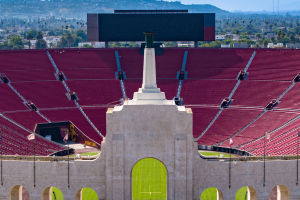
If you've ever seen a concert or a theater show, imagine multiplying that by a hundred. That's the scale of the Olympic Opening Ceremony. The stage isn't just a stage—it's an entire stadium transformed into a canvas for storytelling.
1. Thousands of performers rehearse for weeks, often in secret, so the surprise isn't spoiled.
2. Hundreds of technicians operate lighting, sound, and stage machinery.
3. Costumes are custom-made, sometimes requiring thousands of hours of sewing and fittings.
Every detail matters, right down to how quickly props can be moved on and off the field.
The Pressure of Timing
One of the biggest challenges is timing. The Ceremony is broadcast live, which means there's no room for mistakes. Every cue—whether it's a firework bursting in the sky or a dancer stepping onto the stage—has to be perfectly aligned with the music and cameras.
To get this right, organizers run through full rehearsals again and again. These practice sessions often take place late at night, long after the stadium is empty, so the performers can get used to the real setting.
Technology Behind the Magic
What looks like magic on screen is actually the result of cutting-edge technology. From drone displays that create glowing patterns in the sky to projection mapping that turns the stadium floor into a moving work of art, technology is the hidden star of the show.
However, technology also comes with risks. A computer glitch or a power failure could derail a performance in seconds. That's why backup systems are in place, and entire teams are ready to step in if something goes wrong.
The Performers' Journey
While the audience sees smiling faces and flawless movements, the performers often go through grueling rehearsals. Many of them are volunteers who train for months on top of their daily jobs or studies. They might rehearse under hot sun, pouring rain, or freezing nights—depending on the season.
For these performers, the Ceremony is more than just a show. It's a once-in-a-lifetime chance to be part of Olympic history. Many describe the experience as exhausting but unforgettable.
The Human Side of the Ceremony
Behind the glitter and choreography, the Ceremony is also about human connection. Dancers encourage each other backstage. Costume staff work through the night to repair outfits. Technicians share late-night meals after long rehearsals.
These unseen moments build a sense of unity and pride that shines through in the final performance. It's not just about putting on a spectacle—it's about people coming together to achieve something extraordinary.
What Viewers Rarely Notice
There are plenty of details that most viewers never notice, but that make all the difference.
1. Performers wearing earpieces to hear hidden cues.
2. Stagehands dressed in black, moving props in seconds.
3. Coordinators watch the show on screens to ensure camera angles match the choreography.
These details may go unseen, but without them, the Ceremony would fall apart.
A Lasting Impression
When the final firework fades and the athletes march into the stadium, most viewers remember the spectacle. But for those who worked behind the scenes, the memories are of months of effort, teamwork, and overcoming challenges.
The Opening Ceremony is more than entertainment—it's a symbol of what's possible when thousands of people work toward one shared vision. And while the spotlight may shine on the stage, the real heroes are often the ones in the shadows, making sure the world sees a flawless show.
So the next time you watch an Olympic Opening Ceremony, remember that what looks effortless on screen is the result of years of planning, sleepless nights, and countless hands working behind the curtain. And that hidden story is every bit as inspiring as the spectacle itself.