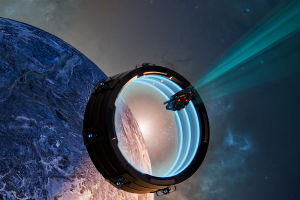
Imagine a world where energy becomes extremely limited or even unavailable. It may sound distant, but it connects directly to how we live every day. From lighting our homes to moving across cities, energy supports everything we do.
As we look at the future, we begin to ask an important question: if one day Earth can no longer provide enough energy, what path will we take as humanity? This article explores that possibility in a clear and practical way, helping us understand both the risks and the solutions.
Warning Signs We Can Already See
Today, we are already seeing signs that energy demand is rising much faster than natural supply can recover. Traditional energy sources are becoming harder to obtain, and the environment is showing clear stress signals.
We notice more extreme weather patterns, rising sea levels, and changes in ecosystems. These are not isolated events. Instead, they suggest that our current way of using energy is placing pressure on the planet’s natural balance.
If we continue with the same habits, future studies suggest that non-renewable energy sources could become extremely limited. This is why scientists are urging action now rather than later.
The Possible Impact of Energy Shortage
If Earth ever reaches a stage where energy becomes extremely scarce, the effects would spread across all parts of life.
- First, the global economy would face serious disruption. Industries that rely heavily on power, such as transport and manufacturing, would slow down significantly. Jobs could become harder to maintain, and daily supply systems might become unstable.
- Second, food production would be affected. Modern farming depends on machines, storage systems, and transportation networks. Without enough energy, producing and distributing food would become more difficult, leading to shortages in many regions.
- Third, public services like healthcare and education would struggle to operate at full capacity. Hospitals, communication systems, and schools all depend on stable energy support.
Overall, life as we know it would become much more challenging and uncertain.
Innovation and New Energy Solutions
Even in a difficult situation, human creativity remains strong. One of the most important directions is the development of renewable energy.
We can already see progress in solar power, wind power, water flow energy, organic material energy, and heat from inside the Earth. These sources are naturally available and can be reused continuously.
At the same time, improving energy efficiency is just as important. Smart distribution systems, better storage technology, and more intelligent management tools can help reduce waste and improve usage.
Instead of relying on one energy source, we move toward a balanced system that combines multiple clean options.
Changing the Way We Live
Technology alone is not enough. Our daily habits also play a major role.
We can choose simpler and more efficient lifestyles. For example, using shared transportation, walking, or cycling when possible can reduce unnecessary energy use. We can also select devices that consume less power and last longer.
In addition, education plays an important role. When people understand how energy connects to daily life, they are more likely to make responsible choices. Over time, these small actions create a large positive effect.
Global Cooperation for a Shared Future
Energy challenges are not limited to one region. They affect the entire world. That means solutions must also be global.
Countries need to work together to create fair energy systems. Sharing technology, supporting clean energy projects, and building stable cooperation can help reduce imbalance.
At the same time, rules that encourage responsible resource use are important. Protecting natural systems and preventing unnecessary waste helps ensure long-term stability for everyone.
Looking Beyond Earth for New Possibilities
In the long run, Earth’s resources are limited. This leads us to explore space as a possible direction for future energy support.
With advancements in space exploration, it may become possible to study and use resources from the Moon, Mars, or nearby space objects. These places may contain materials that could support future energy systems.
Although this idea is still developing, it represents human curiosity and determination to continue moving forward, even when facing limits.
Reflecting on What Truly Matters
A future with limited energy may also give us a chance to rethink life itself. When we slow down and focus on what is truly important, we may discover new values beyond material consumption.
We may pay more attention to relationships, creativity, and meaningful experiences. Art, writing, and thoughtful ideas could become even more important in shaping how we understand the world.
In this way, challenges can also lead to growth, not only in technology but also in how we think and live.
A Future We Build Together
So, if one day Earth truly faces energy exhaustion, where will we go as humanity? There is no simple answer. It depends on science, cooperation, and how we choose to live today.
What we do now shapes the future. Every improvement in technology, every small change in lifestyle, and every step of cooperation matters.
Together, we can move toward a future that is more balanced, sustainable, and thoughtful. The journey is not easy, but it is shared by all of us.