Arizona desert hillsides can look quiet from far away, but up close they are full of tiny dramas. Giant saguaro cacti rise like green guardians, while seasonal wildflowers scatter color across the slopes after enough rain.
Lykkers, this landscape is not empty at all. It is patient, clever, and surprisingly playful. The best part is that you can learn real plant lessons from it, whether you are planning a desert walk, caring for drought-friendly plants, or simply looking for a fresh way to notice nature.
The Hillside That Waits
Before the flowers arrive, the Arizona desert hillside often seems calm and simple. But you are actually looking at a living system that saves energy, holds moisture carefully, and responds fast when conditions turn favorable. Once you understand that rhythm, every cactus arm and flower patch feels more meaningful.
Saguaros are slow champions
The saguaro is one of the most famous plants of the Sonoran Desert, and it has earned that fame slowly. Very slowly. A young saguaro may stay small for many years before it becomes tall enough to dominate the hillside view. Those grand arms that make it look so expressive usually appear only after decades of growth.
That slow pace teaches a useful plant lesson: not every living thing shows progress quickly. If you grow succulents, desert plants, or even herbs on a sunny balcony, you may feel impatient when change seems small. The saguaro reminds you that strong growth can be quiet growth. A plant may be building roots, storing water, or adjusting to light before it gives you visible results.
Why the hillside matters
A hillside is not just a pretty background. Slopes change how water moves, how sunlight hits the ground, and where seeds settle. After rain, water runs downward, gathers briefly in small dips, and helps wildflower seeds wake up. Some areas stay dry, while others become temporary plant nurseries.
When you walk a desert trail, try reading the slope like a map. Look near small washes, shaded edges, and rocky pockets where soil collects. Those places often hold more wildflowers than open ground. You are not just seeing random color. You are seeing where water paused long enough for life to answer.
Wildflowers follow rain, not calendars
Desert wildflowers do not follow a simple yearly schedule. Their bloom depends on rainfall, temperature, elevation, and timing. Some years bring a soft sprinkle of color. Other years can bring a bright bloom that looks almost unreal.
That unpredictability makes the scene more exciting. You can check local park updates before visiting, but you also need flexible expectations. The desert does not perform on command. It rewards patient visitors who notice small beauty as well as big displays.
For your own garden, this is practical too. If you grow native or drought-tolerant flowers, learn their natural rhythm instead of forcing constant bloom. Some plants rest for good reasons. Give them suitable soil, correct watering, and enough seasonal change, then let them work in their own way.
Look closely without touching
Saguaros and desert wildflowers are best enjoyed gently. Many desert plants grow slowly, and some are protected. Flowers can also provide food for pollinators, so picking them reduces more than just scenery.
A better approach is the slow-look method. Choose one small area and study it for two minutes. You may notice tiny blossoms, seed pods, bees, lizards, bird tracks, or shadows moving across cactus ribs. This simple habit turns a walk into a discovery game.
Bring water, wear sun protection, stay on marked paths, and visit early in the day when temperatures are kinder. The hillside gives more to visitors who move carefully and leave it unchanged.
Bring Desert Wisdom Home
You do not need an Arizona hillside outside your window to enjoy desert plant thinking. The same ideas can guide small containers, balcony corners, drought-wise gardens, and nature trips. The secret is to copy the logic, not the whole landscape.
Build a mini desert corner
If you want a desert-inspired plant area, start with drainage. Use containers with drainage holes and a gritty soil mix made for cacti or succulents. Regular heavy soil keeps too much moisture around roots, which many desert plants dislike.
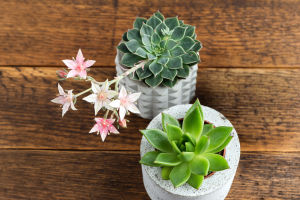
Choose plants with similar needs. Small cactus varieties, agave, aloe, desert marigold, penstemon, and native drought-tolerant blooms can create a lively mix. Place taller plants toward the back and low flowers near the front, so the scene feels like a tiny hillside.
Use gravel on the surface to reduce splash and keep the look clean. Add a few stones of different sizes to create shade pockets and visual texture. The goal is not perfection. The goal is a little landscape that feels sun-loving, relaxed, and easy to maintain.
Water like the desert thinks
Many people water desert plants too often because the soil looks dry on top. But dry surface soil does not always mean the roots need water. Instead of guessing, check deeper with a finger or moisture meter. Water thoroughly when needed, then let the mix dry well before watering again.
This deep-and-rare pattern encourages stronger roots. It also matches how desert plants often receive moisture in nature: occasional rain, followed by dry periods. Constant small watering can confuse the plant and create weak growth.
For wildflower-style planting, timing matters. Some desert annuals need seasonal cues to germinate. Read seed packet instructions carefully, especially for native species. Planting at the wrong time can lead to disappointment, even when the seeds are healthy.
Use flowers as pollinator invitations
Wildflowers on an Arizona hillside are more than decoration. They support bees, butterflies, beetles, hummingbirds, and other desert visitors. In your own space, flowers can do the same on a smaller scale.
Pick blooms with different shapes and bloom times. Tubular flowers suit hummingbirds, while open daisy-like flowers help many small pollinators. Avoid spraying chemicals when flowers are active. Even a tiny balcony can become a useful rest stop for insects when it offers nectar, shelter, and clean growing conditions.
You can also leave some dried seed heads after bloom. They may look less tidy, but birds and insects often make use of them. A natural garden is allowed to have personality.
Try a desert observation challenge
Lykkers, here is a fun activity you can try on any walk, not only in Arizona. Choose three plant clues: shape, shelter, and color. For shape, notice how plants reduce water loss through ribs, small leaves, waxy surfaces, or compact forms. For shelter, look for seedlings growing near rocks, shrubs, or taller plants. For color, notice which flowers attract the most visitors.
Write down three findings after your walk. Over time, you will start seeing patterns. Nature becomes less like background scenery and more like a clever conversation happening in slow motion.
Respect the giants
Saguaros are not props. They are long-lived desert residents that support birds, insects, and mammals. Cavities in older saguaros can become nesting spaces, flowers provide nectar, and fruit feeds wildlife. One plant can become a small vertical neighborhood.
That is why respectful viewing matters. Stay on trails, avoid leaning on plants, and never remove cactus parts or wildflowers from public land. A photo, sketch, or note gives you a memory without taking anything away from the desert.
Saguaro cacti and wildflowers turn an Arizona hillside into a lesson in patience, timing, and surprise. Lykkers, this landscape shows that beauty can wait quietly, then bloom fast when conditions are right. Watch the slope, protect the plants, try drought-wise growing at your own place, and let the desert teach you how lively dry land can be.